
Skip to content
No-code and low-code development

No-Code & Low-Code Development

Launch quickly with a system your team can understand, edit and operate after handover.

For marketing teams, agencies and early-stage businesses that value speed and editing independence more than unnecessary custom engineering.

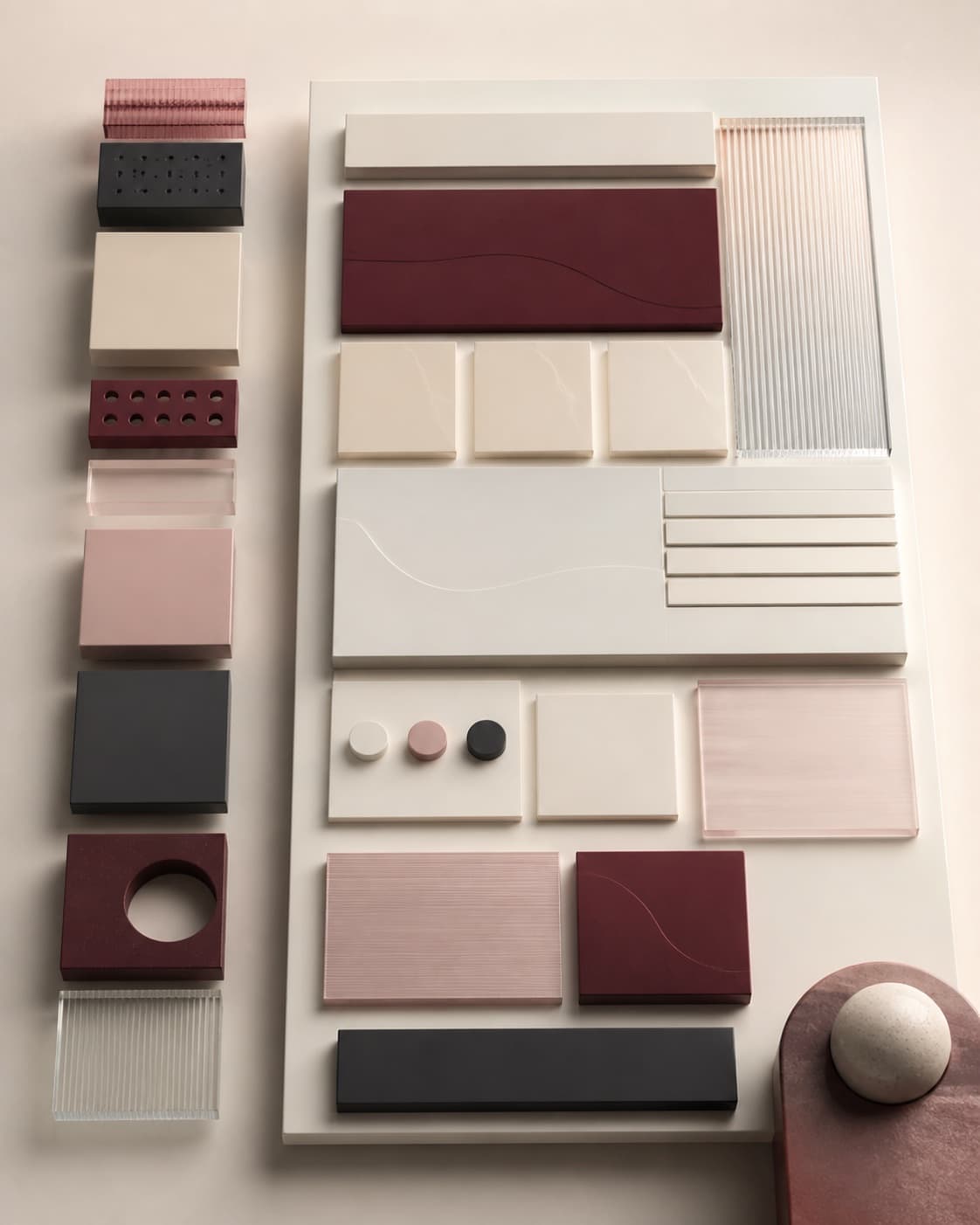
A refined modular no-code design system assembled from reusable tactile components
Structure01 / 03

Structure

No-code still needs a system behind it.

No-code does not mean no planning. A strong build still needs information architecture, reusable patterns, responsive behaviour and a content model that matches how the team works. The advantage is that many everyday updates can happen without returning to a developer.

Reusable patterns make fast launches sustainable.

Platform choice

Choose for tomorrow’s editors, not today’s demo.

Conscious Rise builds in Webflow, Framer and other suitable platforms when they offer the best balance of launch speed, visual control and long-term ownership. Custom code is added selectively when it solves a real limitation rather than turning a maintainable platform into a fragile hybrid.

Editing independence is part of the product decision.

Responsible flexibility

Custom code should solve a real limitation.

Platform recommendations are made after understanding publishing frequency, integrations, team skills and expected growth. If a custom application is the more responsible choice, that is explained before the project begins.

Use the platform fully before adding complexity.

Business outcomes

What a successful engagement should improve.

01

Faster launch

Use mature visual and content tools to reduce unnecessary engineering time.

02

Editor independence

Give the team structured fields and reusable pages for common updates.

03

A deliberate platform choice

Select technology around ownership, integrations and future requirements, not fashion.

Typical deliverables

A complete, usable handover.

  • Platform recommendation
  • Responsive Webflow or Framer development
  • Reusable components and style system
  • CMS collections and templates
  • Forms and essential integrations
  • Custom code where justified
  • Editor training and documentation
  • Pre-launch SEO and quality checks
Tools selected for the job

Technology is chosen around ownership, maintainability and the required workflow. These are common tools, not a compulsory stack.

WebflowFramerWordPressFinsweetRelumeJetboostZapier-compatible toolsCustom JavaScript

Direct senior involvement

The same clear project process continues from discovery through implementation, testing and handover.

About Conscious Rise →
How the project runs

Clear stages and visible progress.

  1. 01

    Choose the platform

    Compare editing, design, integration and scaling requirements before committing.

  2. 02

    Create the system

    Build reusable styles, components and CMS structures instead of isolated pages.

  3. 03

    Connect and test

    Add forms and required integrations, then verify responsive and editor behaviour.

  4. 04

    Hand over

    Train the people who will publish content and document the important controls.

Frequently asked questions

Useful answers before starting a conversation.

Should I choose Webflow, Framer or custom development?

Webflow suits structured CMS-driven marketing sites, while Framer is strong for design-led sites with quick visual editing. Custom development is better when the product needs complex application logic, permissions or unusual integrations.

Can you rebuild an existing website in Webflow or Framer?

Yes. A rebuild can preserve useful content while improving structure, responsive behaviour, maintainability and performance. Redirect planning is included when URLs change.

Will no-code limit future growth?

Every platform has limits. The project identifies likely future requirements early so the chosen system supports realistic growth without pretending it can solve every possible need.

Do you provide training after launch?

Yes. Handover includes a walkthrough focused on the content and components your team will actually update.

Start with a practical conversation

Share what needs to work better.

You will get a clear recommendation on scope, platform and the most useful next step, even when that means starting smaller.

Start a project